
To choose the right size when buying sports jerseys online, start by taking accurate measurements of your chest, waist, and torso length. Then compare these numbers with the brand’s own size chart instead of trusting your regular t-shirt size. Because sizes can vary a lot between brands and “fit types” (for example, slim player versions vs. looser fan versions), you also need to think about how you plan to wear the jersey-whether you want extra space for layers or a close, athletic fit.
Shopping for clothes online can be tricky, especially if you’re after specific gear like high-quality Yuki Tsunoda merch or the newest football shirt. A jersey is more than clothing; it shows your support and passion. Choosing the right size helps your purchase look good and feel comfortable, whether you’re in the stands or playing in a tough match yourself.
Table of Contents
Why Finding the Right Size for Sports Jerseys Online Matters
What Can Go Wrong When You Choose the Wrong Jersey Size?
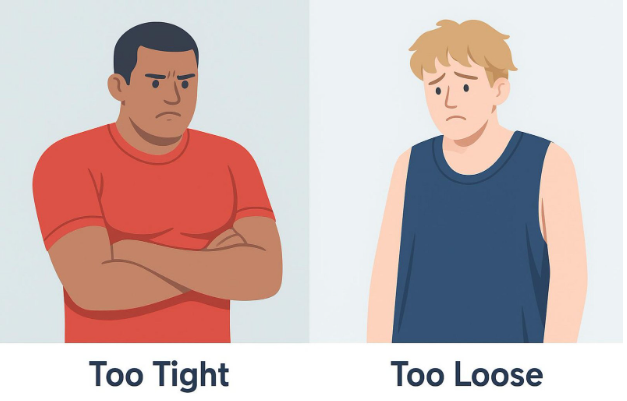
Picking the wrong size can cause many problems beyond appearance. A jersey that’s too tight can feel very uncomfortable, make it harder to breathe, and limit how you move. A jersey that’s much too big can get in the way, snag on equipment, or simply look sloppy and make you look bigger than you are. Some fans even say an oversized jersey can look like a “garbage bag” instead of sharp sportswear.
There’s also the problem of “buyer’s remorse.” Many custom jerseys with specific names or numbers are non-refundable and can’t be exchanged. If you order a personalized jersey in the wrong size, you may be stuck with something you can’t wear. This is why doing your homework on sizing at the start is so important for your happiness and your budget.
How Sizing Differences Impact Comfort and Performance
In sports, fit is closely linked to both performance and confidence. A jersey that fits well lets you move freely-whether you’re swinging a bat, throwing a ball, or squeezing through a packed crowd in the stadium. When players aren’t distracted by a tight collar or pinching sleeves, they can stay focused on the game. Good sizing helps prevent chafing, exposed skin, and painful pinches when you move.
A consistent team look-where everyone’s jersey fits properly-can also affect younger athletes. Looking like a serious team can build unity and pride. When you feel like you look the part, your confidence usually rises, which helps you play with more focus and enjoy the experience more.
Key Factors That Influence Sports Jersey Sizing
Brand Variations: Why Sizing Differs Across Manufacturers
One of the biggest problems with online shopping is that there’s no single standard for sizes. A “Medium” in one brand may fit like a “Large” in another. This often comes from regional differences; for example, US sizes tend to be roomier, while UK and Asian sizes are often slimmer and smaller. Each company also uses its own base pattern or template depending on who they are mainly selling to.
The fabric mix also affects how a brand’s sizes feel. Materials like dri-fit polyester or super interlock fabric stretch differently compared to cotton. A brand that uses very stretchy material may cut its jerseys closer to the body, while a brand using stiff mesh might use a wider cut so you can still move freely.
Fit Types: Regular, Slim, and Player Editions
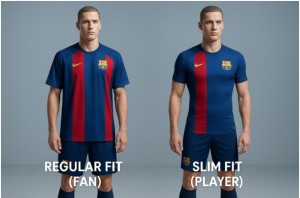
Most big sports brands sell at least two types of jerseys: the “Fan” (or Stadium) version and the “Player” (or Authentic) version. Fan versions usually have a “Standard” or “Regular” fit, with a looser shape that focuses on comfort and breathability for everyday people. These are great for casual wear or light training. If you normally wear a Large t-shirt, a Large fan-version jersey will usually fit well.
Player versions are built for top-level performance. They usually have a “Slim” or “Athletic” fit that is tighter around the chest and waist, so opponents can’t easily grab the fabric. They are made to be smooth through the air and manage sweat well. If you want a little more room but still want the authentic player style, it’s usually a good idea to go up at least one size when buying these performance jerseys.
Jersey Types for Adults, Youth, and Women
Sizes also change based on age group and gender. Men’s jerseys are usually straighter and boxier, while women’s jerseys often have a narrower waist and different shaping around the hips. Because of this shape, many women go up one size if they want a looser, more classic jersey feel.
Youth sizing is different again. Many youth jerseys are unisex, but they’re made to suit growing kids. Youth sizes may offer more “in-between” options but fewer very large sizes. Parents often try to find the middle ground between a jersey that fits now and one that still fits after a mid-season growth spurt.
How to Measure Yourself Accurately for an Online Jersey Purchase
Essential Measurements: Chest, Waist, and Length
To get a good fit, you mainly need three numbers. 1. Chest: Wrap the tape around the fullest part of your chest. Keep it snug but not tight. Or, lay a jersey you already own flat and measure from armpit to armpit, then double that number. 2. Waist: Measure around your natural waistline, usually just above your belly button. 3. Length: Measure from the top of your shoulder down to where you want the hem to sit (waist or hip).
If you’re also buying shorts or pants to match, you’ll need the inseam too. Measure from the crotch to the bottom of the leg. Having these numbers in inches or centimeters lets you ignore vague size labels like Small/Medium/Large and focus on the real measurements of the jersey.
Tools and Tips for Self-Measurement
Use a soft fabric tape measure, not a metal one, because a metal tape won’t follow your body shape. When measuring, keep the tape level with the floor; if it tilts up or down, the reading will be too big. Avoid measuring over thick clothes-do it over bare skin or a thin t-shirt for the best results.
If you’re worried the jersey might ride up, try the “reach test.” While holding the tape at your shoulder, raise your arms above your head and see how much length you lose. A good jersey will usually fall around the middle of your pants fly so your stomach stays covered while you move.
Measuring Youth Athletes: What Parents Should Know
For kids, height and age matter most, but height is more reliable. Children grow fast, so a “perfect” fit today might be too small in a few months. For young players, it’s usually smart to leave a little extra room for comfort. Measure chest, waist, and hips, then match those numbers with the child’s height while they stand up straight.
If your child falls between two sizes, the general rule is to go up a size. A slightly bigger jersey gives space for growth and allows for hoodies or pads underneath in colder weather. It also helps the jersey last more than one season.
How to Read and Use Online Sports Jersey Size Charts
Where to Find Official Size Charts Online
Most good retailers and official club shops show a link to a size chart on the product page. These charts are usually the most reliable because they match the cutting style of that exact brand. Don’t assume a random size chart from a search engine will work for a premium label like Nike, Adidas, or Under Armour.
When you read these charts, check if the numbers are “body measurements” (your own size) or “garment measurements” (the jersey laid flat). If the chart lists garment measurements, aim for a jersey that is at least about two inches wider than your chest size so you can move comfortably.
Converting International Sizing Standards
If you’re buying a jersey from an overseas club or global brand, you may see different sizing systems. European (EU) sizes often use numbers (48, 50, 52), while Asian sizes are usually smaller than US sizes. In some brands, a US Small can be close to an Asian Large.
Look for a conversion table on the store’s website. If you can’t find one, search for the brand’s global size guide. Remember that regional cuts change the shape too; jerseys made for the Asian market may have shorter sleeves and a narrower body than those made for North America.
What to Do If You’re Between Two Sizes
Being stuck between a Medium and a Large is very common. Your choice depends on how you like your clothes to fit. If you want a closer, more athletic look, choose the smaller size. If you prefer a relaxed fit that’s easier to wear and feels airier, choose the larger size.
Many online tools now add a small comfort margin (around 5%) to help you choose. If you plan to wear a hoodie or long-sleeve top under your jersey for cold games, pick the bigger size so you don’t feel squeezed once you add layers.
Common Sizing Mistakes When Buying Sports Jerseys Online
Ignoring Product Descriptions or Customer Reviews
The product description often includes key details like “tapered waist” or “compression fit.” Skipping these notes can lead to a bad fit. Customer reviews are also very helpful. If several people say the jersey “runs small,” you should probably go up a size.
Reviews can also tell you what happens after washing. Some fabrics shrink slightly; others may loosen up. Reading feedback from buyers with a similar body shape can make it easier to pick the right size on your first try.
Overlooking Unisex or Gender-Specific Sizing
Many shoppers assume a “Small” is the same in every category, which is a common mistake. Unisex jerseys usually follow men’s sizing, so they tend to be wider and longer. If a woman buys a unisex Small expecting it to fit like a women’s Small, she may find the sleeves too long and the body too wide.
On the other hand, men who buy a women’s Large by mistake may find it very tight in the shoulders and chest. Always check whether the jersey is men’s, women’s, or unisex before you place your order so the cut matches your shape.
Relying on Previous Purchases from Different Brands
Just because your favorite baseball jersey from years ago is a Medium doesn’t mean your new soccer jersey should be the same size. Brands change their patterns over time, and different sports need different fits. For example, hockey jerseys are made very large to fit over pads, while cycling jerseys are meant to hug the body.
Treat every new jersey purchase as a fresh start. Measure yourself once a year, since bodies change, and always check the current brand’s chart on sites like https://www.topracingshop.com/ before buying. “Measure twice, buy once” is the best way to avoid returns and exchanges.
Sports Jersey FAQ: Sizing, Fit, and Shopping Online
How accurate are online size charts?
Most official size charts are quite accurate because they come from the brand’s own design details. There can be small differences in production (around 0.5 to 1 inch), but using the chart is far more reliable than guessing based on your usual clothing size.
Should you size up for a looser fit?
Yes. If you like a relaxed, “streetwear” look, or you fall between two sizes, going up is usually better. This is also a good idea if you plan to wear a hoodie under the jersey or if you’re buying for a child who may have a growth spurt soon.
Does fabric type or quality affect the fit?
Yes. High-performance “Player Version” fabrics often stretch less and have a tighter weave. Cheaper “Fan Version” replicas or cotton jerseys usually feel softer, stretch more, and hang looser on the body. Always read the material details in the description.
Can customized or name/number jerseys affect sizing?
The size of the fabric doesn’t change, but the added vinyl or embroidery can make the chest or back feel a bit stiffer. This can make a very tight jersey feel even more restrictive, so leave a bit of extra room if you’re adding a name and number.
Final Tips to Get a Great Sports Jersey Fit Online
Besides taking measurements and checking charts, pay attention to whether the jersey is genuine. Real, high-quality jerseys usually have hologram stickers and official tags that match the league or team. Authentic items are more likely to match the size chart than fake jerseys, which often have random, inconsistent sizing. If you want to save money, try shopping during the off-season when prices on genuine gear tend to be lower rather than risking a fake jersey that fits badly.
Also, follow the care instructions once your jersey arrives. To keep the fit you worked to get, most sports jerseys should be washed in cold water and left to air-dry. High heat in a dryer can shrink the fabric or damage special dri-fit fibers, turning a perfect fit into something too tight and uncomfortable. With careful measuring and proper care, your jersey can stay a favorite item in your wardrobe for many seasons.