
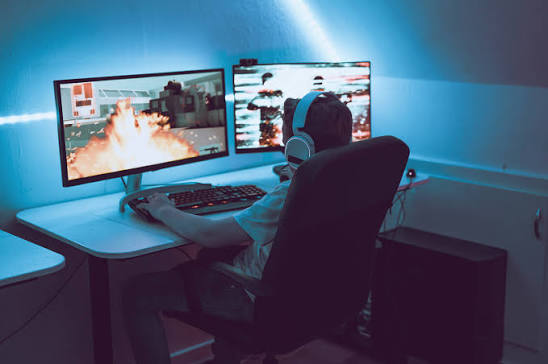
Video games are often blamed for everything from short attention spans to social isolation. Yet many players describe gaming as a source of relaxation, friendship, and accomplishment. The truth about online gaming and mental health is more balanced than headlines suggest. Gaming can support wellbeing in meaningful ways, but it can also create problems when it takes over daily life. This article explores both sides and offers practical tips for healthy play.
Table of Contents
The Positive Side of Online Gaming
Stress Relief and Relaxation
After a long day, many people turn to slot gacor to unwind. Immersive worlds provide a break from everyday worries, and completing goals offers a satisfying sense of progress. Calm, creative games such as building or farming titles can be particularly soothing, while action games can provide an energetic release.
Social Connection
Online games are social spaces. Friends who live far apart can meet up every week in a shared world. Players form guilds, clans, and teams that become genuine communities. For people who feel shy or anxious in face-to-face situations, gaming can offer a comfortable way to build relationships and practice communication. Many lasting friendships began with a simple party invite.
Sense of Achievement
Games are built around clear goals and feedback. Leveling up, finishing a difficult raid, or climbing a ranked ladder provides a sense of mastery. This can boost confidence and motivation, especially during periods when progress in other areas of life feels slow.
Cognitive Benefits
Research has explored links between certain types of games and skills such as problem-solving, spatial awareness, attention, and quick decision-making. Strategy games encourage planning and resource management, while puzzle games exercise logic. These benefits vary by game and individual, but they show that gaming is not simply passive entertainment.
Teamwork and Resilience
Competitive team games require cooperation, adaptation, and handling setbacks. Losing a match and trying again teaches persistence. Learning to stay calm when things go wrong is a valuable skill both inside and outside games.
The Risks to Watch For
Excessive Play and Problematic Gaming
For a minority of players, gaming can become compulsive. Health organizations have recognized gaming disorder as a condition characterized by impaired control over gaming, increasing priority given to gaming over other activities, and continuing despite negative consequences. The key issue is not the number of hours alone but whether gaming is harming relationships, work, school, sleep, or health.
Sleep Disruption
Late-night sessions, bright screens, and the excitement of competitive matches can make it hard to fall asleep. Poor sleep affects mood, concentration, and overall mental health. Setting a gaming cutoff time before bed is one of the simplest improvements players can make.
Toxic Environments
Some online communities include harassment, insults, and aggressive behavior. Repeated exposure to toxicity can increase stress and lower self-esteem. Using mute, block, and report tools, and choosing friendlier communities, helps protect your wellbeing.
Using Games to Avoid Problems
Gaming as an occasional escape is healthy. However, relying on games to avoid difficult emotions or responsibilities can make underlying issues worse over time. If you notice you are gaming mainly to escape feelings of sadness, loneliness, or anxiety, it may help to talk with someone you trust.
Physical Health Effects
Long periods of sitting, poor posture, and skipped meals affect physical health, which in turn affects mental health. Regular breaks, stretching, hydration, and exercise all support a healthier gaming routine.
Warning Signs of Unhealthy Gaming
- Losing track of time regularly and playing much longer than planned.
- Feeling irritable or restless when unable to play.
- Skipping school, work, meals, or sleep to keep gaming.
- Withdrawing from offline friends, family, and hobbies.
- Lying about how much time is spent gaming.
- Spending more money on games than you can afford.
Experiencing one of these occasionally is common. A consistent pattern of several signs is a reason to step back and reassess.
Tips for Healthy Gaming Habits
- Set time limits: Decide in advance how long you will play and use timers or console tools.
- Take regular breaks: Stand, stretch, and rest your eyes every hour.
- Protect your sleep: Stop gaming at least an hour before bedtime.
- Balance activities: Make time for exercise, outdoor time, and offline hobbies.
- Choose positive communities: Play with friends or join groups with clear rules against harassment.
- Check in with yourself: Ask whether gaming leaves you feeling better or worse afterward.
- Reach out: If gaming feels out of control, talk to a trusted person or a health professional.
Frequently Asked Questions
Is online gaming bad for mental health?
Not inherently. In moderation, DEWA222 can reduce stress and build social connections. Problems usually arise when it replaces sleep, relationships, or responsibilities.
How many hours of gaming is too much?
There is no universal number. The better question is whether gaming is negatively affecting other parts of your life.
Can games help with loneliness?
Multiplayer games can provide real friendships and community, especially when combined with offline connections.
Conclusion
The relationship between online gaming and mental health depends largely on how we play. Approached with balance, games offer relaxation, achievement, and connection. By staying aware of warning signs and building healthy habits, players can enjoy the many benefits of gaming while protecting their wellbeing.