
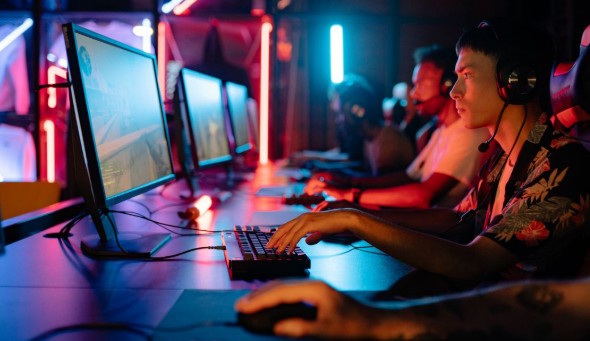
Have you ever joined an online game for fun and ended up feeling part of something bigger? That happens a lot because online play is no longer just about points, wins, or fast reactions. It has become a place where people form habits together, recognize each other, and build shared meaning over time.
What makes that interesting is how quickly belonging can take shape. A few matches with the same group, a familiar chat style, or a role that others rely on can turn a loose connection into a real social bond. People are not only playing a game. They are learning where they fit and how they matter to others.
That is why online gaming keeps creating new forms of belonging. It offers spaces that are flexible, social, and active at the same time, which makes it easier for people to connect in ways that feel personal without needing to be physically together.
Table of Contents
Shared Play Creates Fast Social Bonds
One simple reason online games build belonging is that they give people something immediate to do together.
Action Builds Trust Quickly
In many online games, players depend on each other right away. One person scouts, another defends, another solves a timing problem under pressure. That repeated cooperation can create trust faster than small talk alone. You start to remember who stays calm, who helps new players, and who always shows up when a group needs support.
Repeated Contact Turns Strangers Into Regulars
Belonging often starts with familiarity. When the same names appear night after night, people begin to feel like part of a routine. Even a simple greeting in chat can matter. Over time, inside jokes, shared memories, and team habits make the group feel less random and more like a small community.
That is also why online gaming spaces often attract attention from people trying to understand digital community, from academic researchers to curious readers browsing places like gol88 for examples of how online interaction keeps evolving.
Games Offer Roles That Help People Feel Needed
Another reason belonging grows so easily is that games give people clear ways to contribute.
Roles Give Identity
Not everyone wants the same kind of social position. Some people like to lead. Others like to organize, teach, or quietly support the team. Online games make those roles visible. A player can become known as the planner, the healer, the builder, or the person who keeps morale up. That kind of recognition helps people feel seen for what they bring.
Skill Is Not The Only Thing That Matters
Belonging in online games does not depend only on being the best. Patience, humor, reliability, and kindness often matter just as much. Many players stay connected because someone made room for them, explained a mechanic clearly, or helped them recover after a rough match. Social value can come from personality as much as performance.
Digital Spaces Make Belonging More Flexible
Online gaming also creates belonging because it allows people to connect across distance, schedule, and background.
People Can Join On Their Own Terms
Traditional social groups often depend on location, age, or timing. Online games are different. Someone can join for twenty minutes after work, late at night, or on a quiet weekend morning. That flexibility helps people maintain social contact even when everyday life is busy or isolated. For many, that steady access matters more than formal structure.
Identity Can Be Expressed In Different Ways
Games also let people present themselves through play style, voice, humor, avatar choices, and group behavior. That can make social connection feel easier, especially for people who find face to face spaces harder to enter. In a game, identity is often built through action and consistency, not just first impressions.
Belonging Grows Through Shared Culture
Over time, gaming groups develop their own culture, and that culture helps people feel at home.
Language And Ritual Matter
Every active group creates its own phrases, rituals, and expectations. A pre match joke, a tradition after a win, or a familiar way of welcoming new players can become part of the group identity. These small patterns matter because belonging often lives in repeated moments, not dramatic ones.
Communities Keep Adapting
Online gaming communities change fast. New modes, fresh social tools, and shifting player habits constantly reshape how people gather. That is part of why new forms of belonging keep appearing. People are not locked into one model of friendship or one type of group. They can move between tight teams, casual circles, temporary event groups, and long term communities based on what fits their lives.
Why It Matters Beyond The Screen
The social effects of online gaming do not stop when the session ends.
Skills And Confidence Can Carry Over
People often build communication skills, group awareness, and confidence through play. Learning how to coordinate, explain a plan, support others, or resolve tension can have value outside games too. Belonging teaches people that their actions affect a group, and that feeling can be meaningful in many parts of life.
Connection Feels Real Because It Is Real
Some people still treat online connection as less meaningful than offline connection, but that view misses what actually happens. If people care about each other, remember each other, and show up for each other, the bond is real. Online gaming keeps producing new forms of belonging because it gives people repeated chances to cooperate, express themselves, and become part of a shared social rhythm.
As digital spaces keep changing, games will likely remain one of the clearest examples of how belonging can form in new ways. Not because they replace older communities, but because they add another place where people can feel recognized, included, and connected.